Complete Building Solutions for All Undertakings
Complete building solutions are indispensable for the effective oversight of any construction endeavor. They enable smooth coordination across all stages, ensuring clear dialogue and coordination among groups. This methodology not only reduces setbacks but also strengthens adherence to budgets and timelines. As interested parties seek superior results, comprehending the various services available becomes increasingly important. What specific elements contribute to a project's achievement, and how can they be effectively implemented?
Why Extensive Construction Support Matter
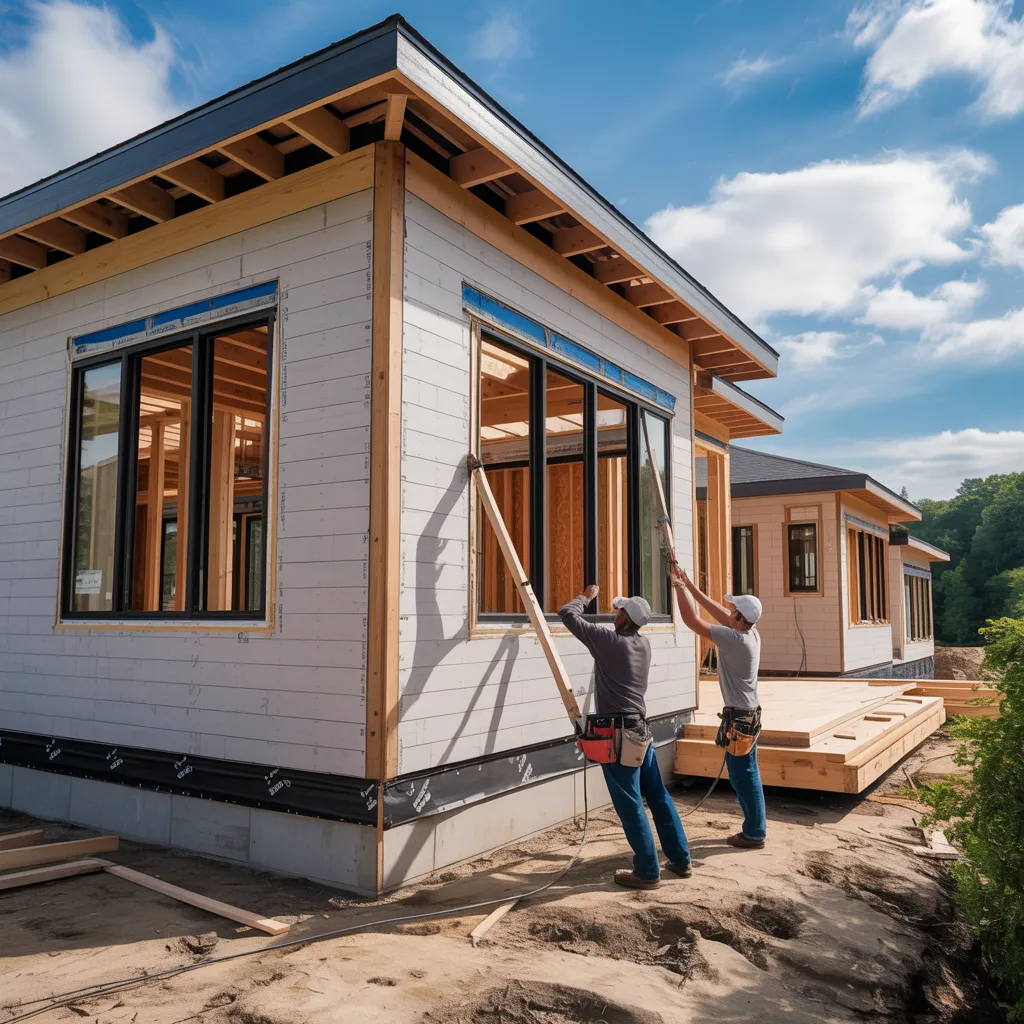
Comprehensive construction services are vital because they enhance the construction workflow, ensuring that all work stages are integrated effectively. These offerings encompass a spectrum of activities, including planning, conceptualization, and execution, which contribute to the overall success of your project. By coordinating various teams and resources, extensive construction services reduce the likelihood of errors and postponements.
Additionally, they reinforce commitment to timelines and budgets, mitigating potential issues before they occur. This amount of planning nurtures a collaborative environment, enabling stakeholders to communicate openly and efficiently.
Additionally, comprehensive services guarantee compliance with local regulations and safety standards, decreasing risks associated with construction activities. Overall, the combination of meticulous construction services enhances project quality, producing to durable and sustainable outcomes. In an industry where precision matters, such services provide the necessary framework for achieving client satisfaction and meeting project goals.
Fundamental Building Offerings for Residents
Property owners working to enhance their living spaces can benefit greatly from vital construction services designed for their particular requirements. These services include a selection of offerings, comprising remodeling, renovations, and repairs, which allow homeowners to convert outdated areas into up-to-date, efficient spaces. Kitchen and bathroom remodels often generate significant returns on investment, enhancing both aesthetics and professional advice utility.
In addition, outside maintenance such as siding and roofing repairs guarantee the property remains safe and visually attractive. Landscape design and outdoor living upgrades produce welcoming environments for entertainment and leisure.
Homeowners can benefit from sustainable enhancements, which lower utility costs while promoting sustainability. By engaging qualified experts, homeowners can navigate the complexities of construction projects with ease, securing adherence to local regulations and timelines. Overall, these essential services enable homeowners to attain their visions, ultimately improving property value and quality of life.
Key Services for Commercial Construction
The commercial construction sector depends on skilled project handling and dependable supplier selection as important drivers. These services guarantee that projects are completed on time and within budget while maintaining high standards. Appreciating their importance can result in more favorable construction outcomes.
Project Coordination Mastery
During the navigation of commercial construction complexities, competent project management experience becomes vital to assure on-time completion and fiscal responsibility. Seasoned project managers serve a key function in supervising different aspects of a construction project, including time planning, resource allocation, and communication with all parties involved. They apply cutting-edge approaches to address risks and adjust quickly to surprising difficulties, keeping projects progressing steadily. Through utilizing technology and data analytics, project managers can bolster decision-making processes, enhancing operational efficiency and output. Additionally, their capacity to build collaboration among construction firms, architects, and clients is crucial for aligning expectations and achieving project goals. In essence, excellent project management knowledge functions as the core of prosperous commercial construction endeavors, propelling projects from conception to completion with precision.
Quality Material Procurement
Quality material procurement is a essential component in the landscape of commercial construction, directly influencing project longevity and overall success. Effective sourcing requires selecting premium materials that meet specific project requirements while conforming to budget constraints. This process often demands building strong relationships with reliable suppliers to guarantee prompt shipment and consistency in quality. Additionally, understanding local regulations and sustainability practices plays an essential role in sourcing decisions. By prioritizing quality materials, construction firms can enhance building strength and reduce ongoing maintenance costs. Ultimately, a focus on quality material sourcing not only supports a project's immediate goals but also contributes to its longevity and resilience in a competitive market.
Picking the Optimal Construction Services for Your Project?
When choosing construction services, it is essential to establish project requirements precisely to ensure alignment with goals. Evaluating the expertise of potential service providers further improves the probability of a successful outcome. Thorough evaluation of these factors can lead to a more efficient and effective construction process.
Specify Project Needs Distinctly
Clearly defining project requirements is crucial for selecting the most appropriate building solutions. This includes determining specific project goals, schedules, financial allocations, and necessary materials. A clearly defined statement of work helps guarantee that all parties involved have a shared comprehension of requirements. Additionally, detailing any regulatory requirements or location-based factors can prevent scheduling setbacks and misunderstandings during the construction process. By establishing clear criteria upfront, project managers can properly convey their requirements to prospective contractors, enabling more strategic choices. Ultimately, comprehensive records of scope specifications not only streamlines the selection process but also establishes the groundwork for effective project completion and reduces the risk of expensive modifications later on.
Review Service Provider Capabilities
How can construction leaders guarantee they select the most qualified building contractors? Assessing the expertise of prospective service providers is critical. This process starts with reviewing each contractor's portfolio, which showcases past projects and applicable background. Construction leaders should also confirm licenses, certifications, and insurance to confirm compliance with industry standards. Collecting references and client testimonials can offer understanding into a provider's dependability and workmanship. Furthermore, conducting interviews allows project managers to evaluate interpersonal abilities and comprehension of assignment specifications. Analyzing bids not only on cost but also on scale, schedules, and quality can further assist in decision-making. In the end, a thorough evaluation of service provider expertise establishes the foundation for effective implementation and fulfillment.
Optimizing Your Building Project Effectively
To attain productivity in construction projects, it is vital to implement a structured methodology that minimizes delays and maximizes resource allocation. Strong dialogue among team members is critical, guaranteeing that everyone is aligned with project goals and timelines. Leveraging project management software can simplify workflows, enabling for real-time updates and task tracking.
Additionally, putting in place a phased approach enables teams to prioritize individual project areas, curtailing the risk of overlapping tasks that can lead to lack of clarity. Routine performance checks and refinements based on performance metrics help identifying foreseeable challenges in advance.
Establishing well-defined roles and responsibilities fosters accountability, driving teams to meet deadlines without compromising quality. Furthermore, engaging in preventive risk management equips teams for unforeseen challenges, enabling swift responses that keep projects on track. By integrating these strategies, construction projects can achieve greater efficiency, reducing costs and improving overall outcomes.
Leveraging sustainable practices in building not only elevates project quality but also decreases ecological damage. By applying eco-friendly materials and methods, construction firms can markedly decrease waste and energy consumption. This technique not only fulfills regulatory requirements but also appeals to eco-minded clients.
Leveraging eco-friendly materials, such as bamboo or recycled metals, boosts durability while minimizing carbon footprints. Additionally, incorporating energy-efficient technologies, like solar panels and advanced insulation, ensures long-term operational savings and improved building performance.
Working green-certified consultants further elevates performance benchmarks, maintaining compliance with sustainability benchmarks.
Furthermore, putting into place a waste management plan during the construction phase can improve efficiency, lowering costs and environmental impact.
In the final analysis, a focus on sustainable development in construction cultivates high-quality projects that matter to both stakeholders and the community, cementing a legacy of conscientious building practices. Such commitment not only strengthens the reputation of construction firms but also bolsters a healthier planet.
Regularly Asked Questions
How Long are the Standard Timeframes for Building Projects?
Typical timelines for construction projects vary widely, typically spanning from a few months to several years. Factors influencing duration include project size, intricacy, permitting processes, weather conditions, and supply of materials and labor, impacting overall completion time.
How Can I Navigate Surprise Construction Delays?
To handle unforeseen building delays, one should evaluate the circumstances, engage with relevant parties, modify schedules, and explore solutions. Flexibility and proactive planning can mitigate impacts and keep the project on track despite setbacks.
Which Licenses Do You Should Secure for Construction Undertakings?
Construction endeavors call for various permits, involving building, power, water, and land use permits. The particular specifications are contingent on area ordinances, undertaking scale, and location, requiring coordination with local authorities for compliance and guidance.
How Does Project Budgeting Get Managed During Construction?
Project budgeting is controlled through ongoing supervision of expenses, updating forecasts based on genuine expenses, and keeping stakeholders informed among stakeholders. This assures synchronization with financial goals and timely identification of potential overruns or savings.
What Safety Requirements Are Established on Project Sites?
Construction sites employ numerous protective strategies, encompassing regular safety training, application of protective gear, prominent notices, site inspections, contingency plans, and observance of guidelines to minimize risks and guarantee the safety of staff members.